
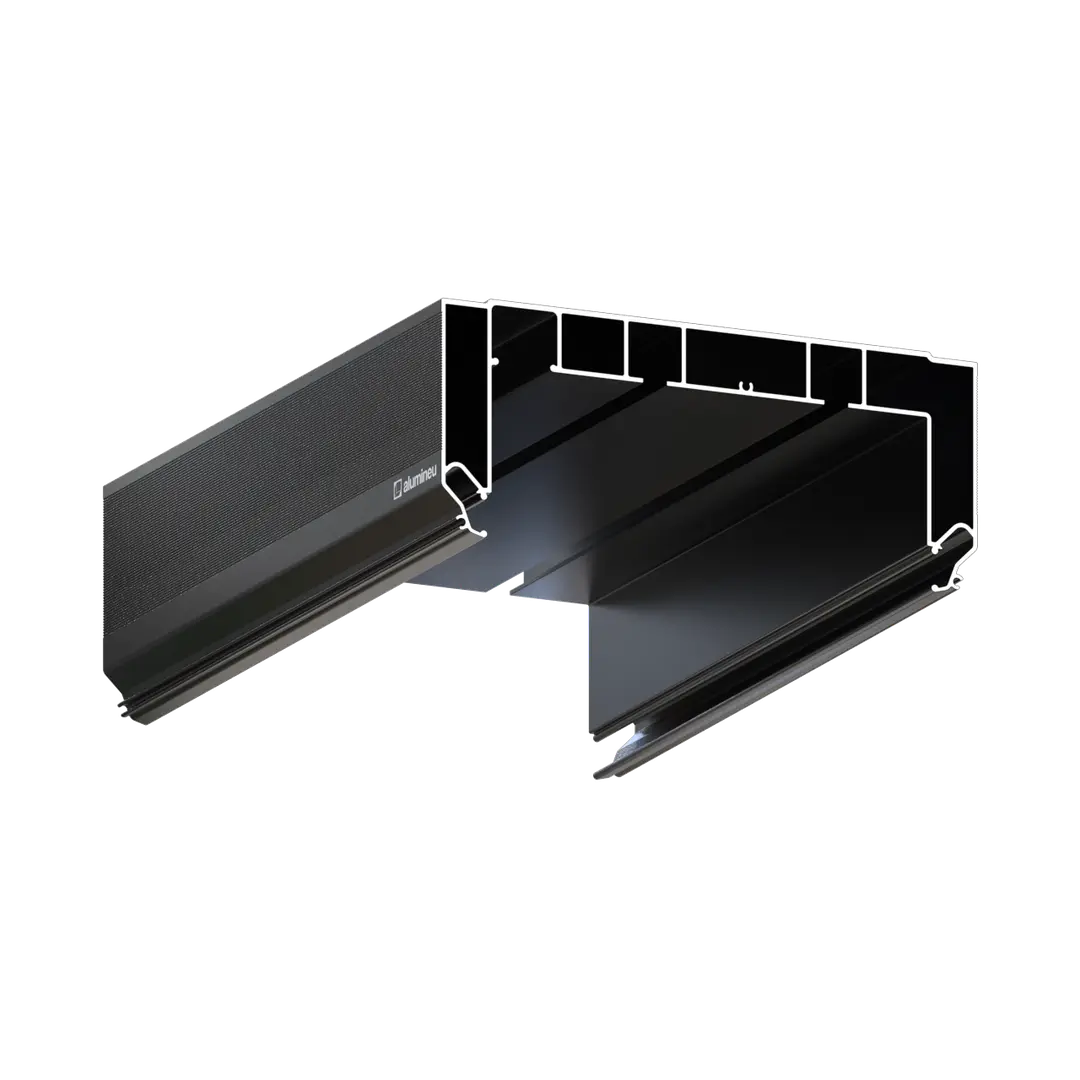
A curtain niche conceals curtain tracks behind the stretch-ceiling surface. Its depth, width and lighting must be planned before the membrane is cut.
Start with the curtain layers: sheer, main curtains, blackout fabric or a combination. These determine the number of tracks and the space required for free movement of gliders and fabric. Decide whether the niche will run along the whole wall or only above the window opening.
If niche lighting is required, include its power supply and service access in the design. Coordinate the junction with the room perimeter and adjacent light lines separately. Later changes often require another profile and a new membrane cut.
CURTINA is designed for harpoon fixing, TISSURE for clip fixing. Select the specific model according to the niche layout and drawing. Check substrate alignment, end caps, turns and access to the tracks after the membrane is tensioned.
The selection sequence is explained in Choosing a hidden curtain-rail profile.
Frequently asked questions
How does a niche differ from a surface-mounted rail? The niche conceals tracks in the ceiling. A surface-mounted rail remains visible on the ceiling or wall.
CURTINA or TISSURE? The choice depends on membrane fixing: CURTINA for harpoon and TISSURE for clip. Then check the geometry of the specific model.
Products in this article
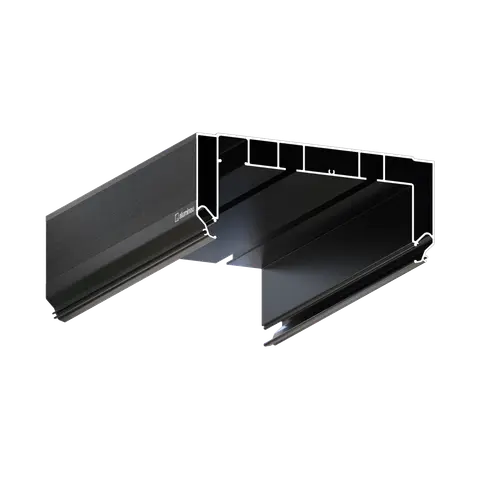
CURTINA X405 M
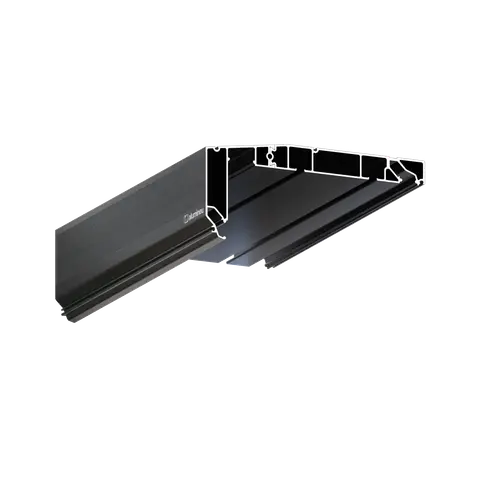
CURTINA X412
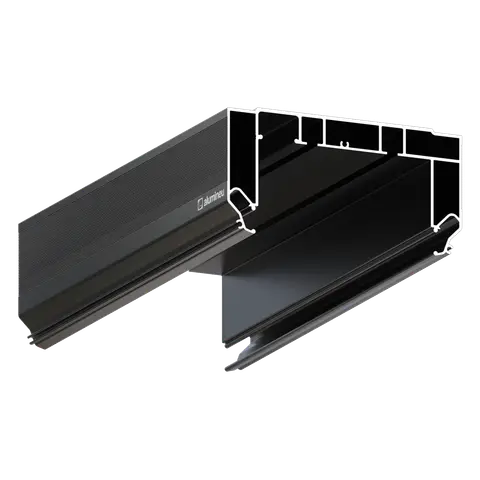
CURTINA X405
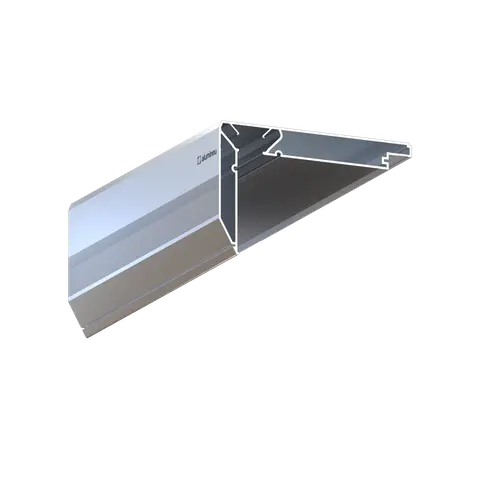
CURTINA X408
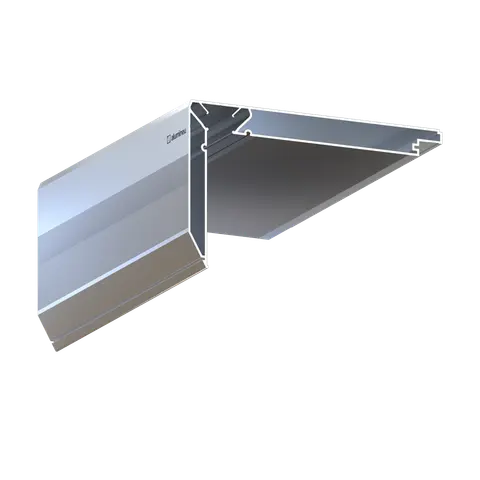
CURTINA X409
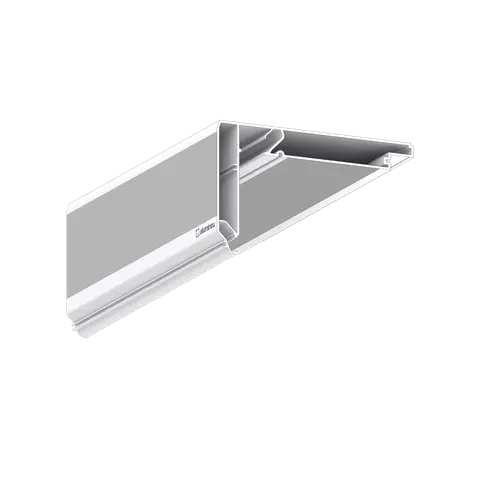
CURTINA X410
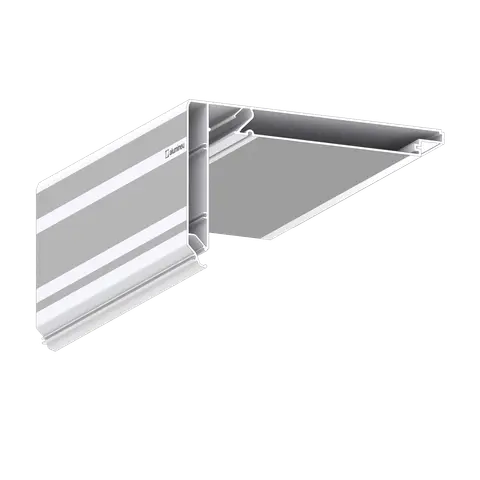
CURTINA X411
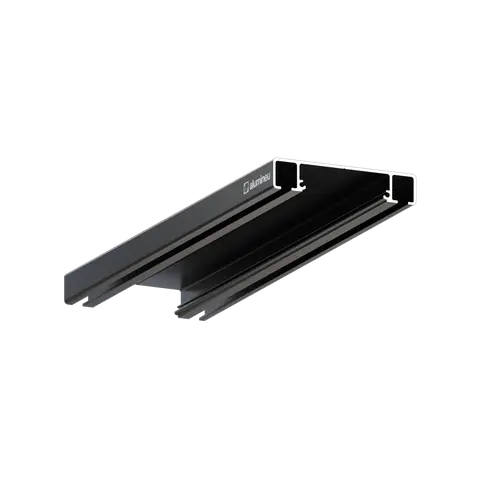
CURTINA X406
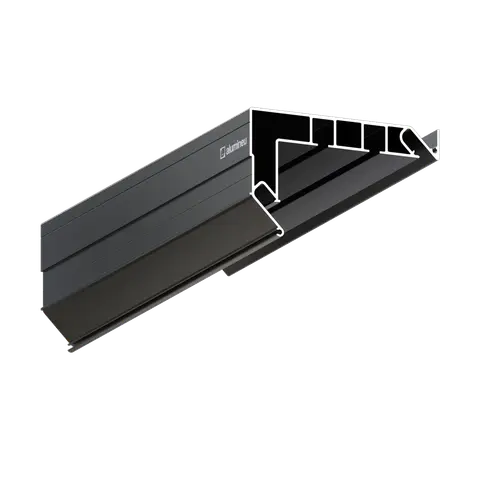
CURTINA X402
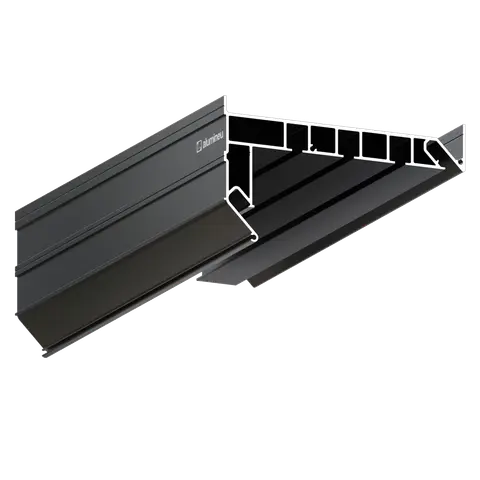
CURTINA X403
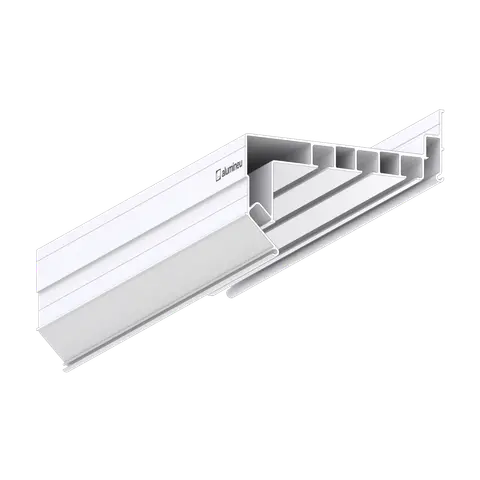
CURTINA X404
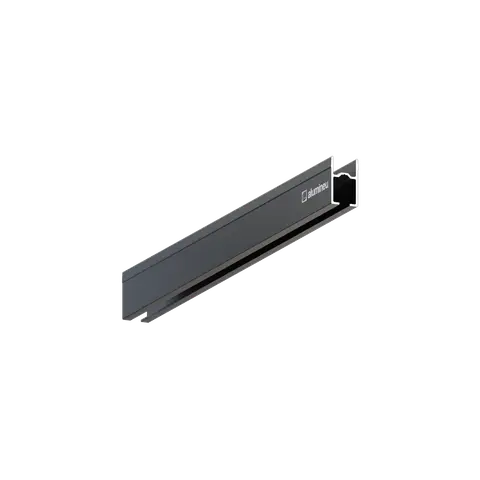
CURTINA X407
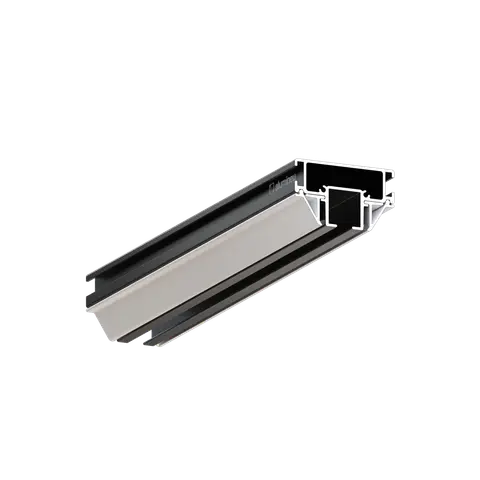
TISSURE Z401
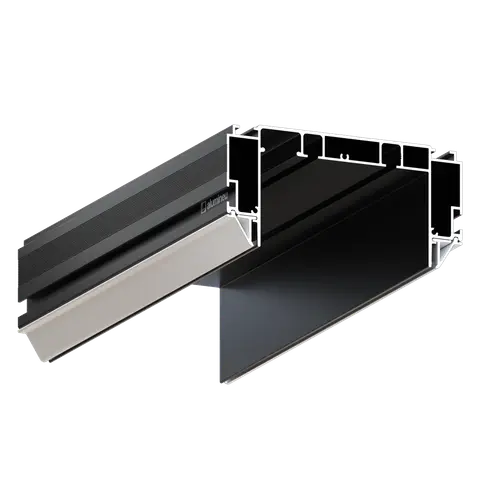
TISSURE Z405